Stop water finding its way in through a cracked window frame, seal or pane.
“Have used product for many years, it’s ideal for refurbishing Georgian sash window glass/putty joints.”
– John Wood, Judge.me review
Hairline cracks in wooden frames and sash putty joints let moisture in, especially where the seal around the glass has shrunk or perished with age.
Captain Tolley’s Creeping Crack Cure uses capillary action to seep into these cracks and seal them in place, without needing to strip out the old putty or reseal the whole window.
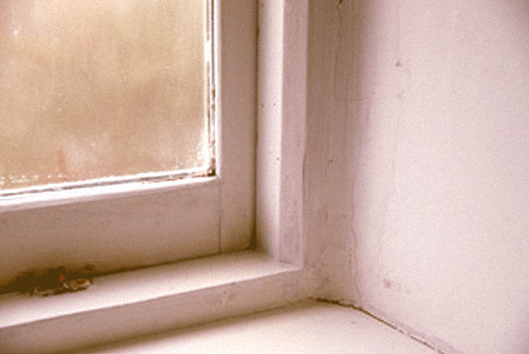
“This works, cured a leak in my aluminium window frame on the corner mitre, took a few applications but I could see it getting into the gap and now all fixed, no more damp wall.”
– Alistair, Judge.me review
“Bought this to repair hairline cracking in my Victorian stained glass door and sash windows, it’s perfect!!! Filled the cracks and made the segments more robust, saving me having to have them repaired professionally at great cost. Thank you.”
– Laura Bucknall, Judge.me review
“I ordered a small bottle of the product to try to seal small cracks in wooden window frames. It has been used on some 14 panes with complete success so far. These windows are exposed to the full force of south westerly (our prevailing wind direction) gales and stronger. Very pleased with the product and the very quick postal delivery. Now also know where to buy it in Shetland.”
– Tom Stove, Judge.me review
*For best results, apply in dry conditions above 10°C / 50°F and keep the area dry while it cures. Cold or damp weather slows curing, and moisture can dilute the sealant before it sets, so allow extra time if conditions aren’t ideal.
Possibly, on cracks in the seal and frame. But any moisture between the two panes needs to be dried out before you apply it, because the sealant can mix with the moisture and turn the window misty.
Yes, it can seal a crack in the glass, but the crack will still be visible once the sealant has dried.
No, the repair happens in situ. The sealant goes into the hairline cracks in and around the existing putty or seal. Just remove anything loose or flaking so it can reach the crack.
The seal around a window often runs deeper than what’s visible from outside, especially where an older frame has shrunk away from the surrounding wall or render. If it doesn’t seal on the first try, that’s usually why. Simply reapply, and most joints are fully sealed within several applications.
Yes, once fully cured. Let it cure before exposing it to water, because applying it just before rain or in damp conditions can wash it out before it sets.
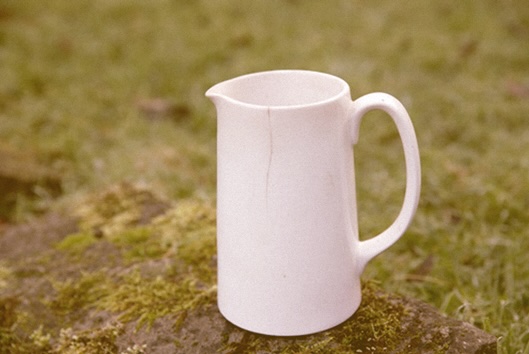
Cracked plates, bowls, and treasured china can be repaired before the crack spreads further with every wash and use.
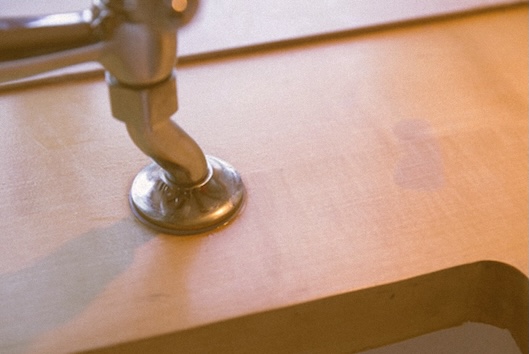
Joints between sinks, worktops, and units are prone to fine cracks that let water seep through and damage the cabinetry underneath.
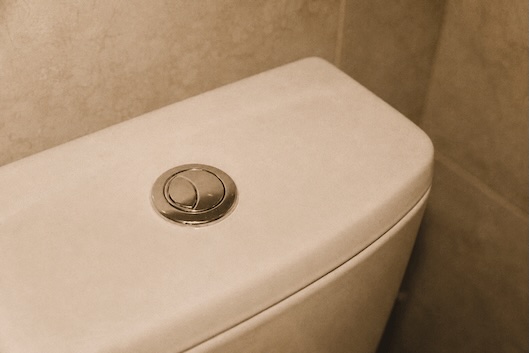
Toilet cisterns and pans often develop hairline cracks in the porcelain that cause slow, easily-missed leaks long before the damage is visible.
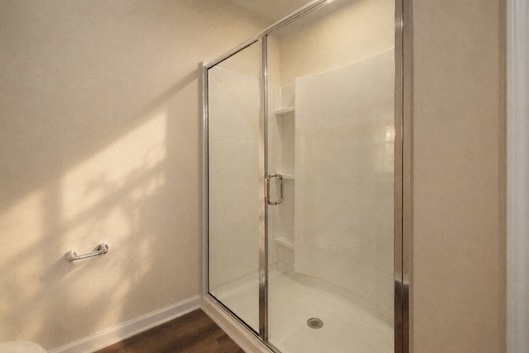
Constant exposure to water and weight makes shower trays and door seals especially prone to hairline cracks that lead to leaks in the floor below.

We use cookies to improve your experience on our site. By using our site, you consent to cookies.
Manage your cookie preferences below:
Essential cookies enable basic functions and are necessary for the proper function of the website.
These cookies are needed for adding comments on this website.
Statistics cookies collect information anonymously. This information helps us understand how visitors use our website.
Stores the visitor’s tracking consent preference (opt-in or opt-out) for Mixpanel analytics.
Vimeo is a video hosting platform for high-quality content, ideal for creators and businesses to showcase their work.
Service URL: vimeo.com (opens in a new window)
SourceBuster is used by WooCommerce for order attribution based on user source.
You can find more information in our Cookie Policy and Privacy Policy.
