Stop water finding its way in through a cracked window or portlight seal
One customer had a port light spraying water directly onto his bed for weeks – a quick drip of the sealant solved it completely, and he found it “super easy” to apply.
– Carl Schultz, verified Amazon customer
Fine cracks frequently cause leaking where a portlight or window joins with the structure of a boat, often appearing as damp cushions or water on the cabin floor long before the source is obvious.
Captain Tolley’s Creeping Crack Cure uses capillary action to seep into these cracks and seal them from the inside, without needing to remove the portlight or window and reseal it from scratch.
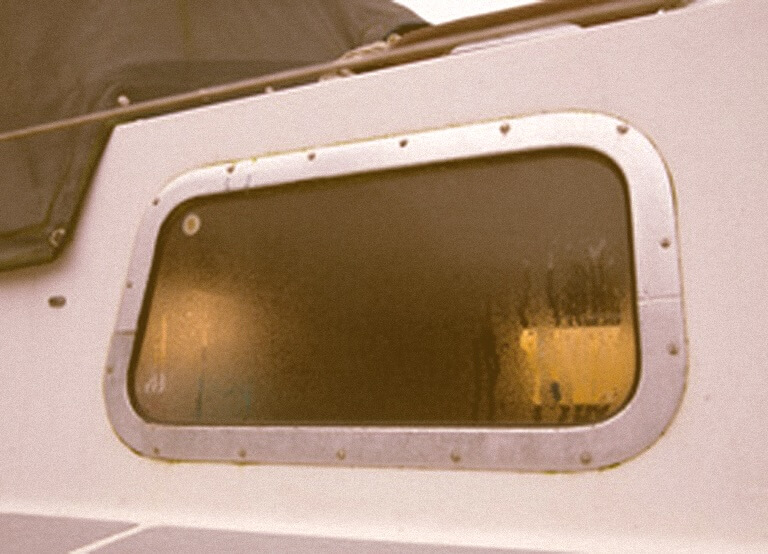
“The product is amazing – we had a leaking (ever so slightly, but annoying) portlight on our boat. I followed the instructions and put the Captain’s Tolley sparingly around the suspected hairline crack area, let it dry. The following morning we had torrential rain and not a drip inside!”
– Oksana Nesterova, Judge.me review
“I had persistent problems with water leaking through the portholes of my boat. I had heard good things about Captain Tolley’s from other boaties and decided to give it a shot: Worked perfectly and easy to apply.”
– Edward van Oort, Judge.me review
A sailing club’s 1986 Catalina 30 had leaking portlights causing wet cabin cushions and water on the floor after heavy rain – most needed three to four applications before they stopped taking up sealant, and the boat stayed dry through its first significant rainfall of the season afterwards.
– Rick Lawrence, verified Amazon customer
*For best results, apply in dry conditions above 10°C / 50°F and keep the area dry while it cures. Cold or damp weather slows curing, and moisture can dilute the sealant before it sets, so allow extra time if conditions aren’t ideal.
No – that’s the main advantage over a full reseal. It’s applied directly over the existing seam or crack while the window or portlight stays in place, which avoids the cost and disruption of removing it and fitting new seals.
The seal between glass, frame, and the surrounding hull or coachroof is often several layers thick, so a leak can be tracking further than the visible crack suggests. If it doesn’t seal on the first try, that’s usually why – simply reapply, and most leaks stop within several applications.
Let it cure fully before exposing it to water – applying it just before rain or in damp conditions can wash it out before it sets.
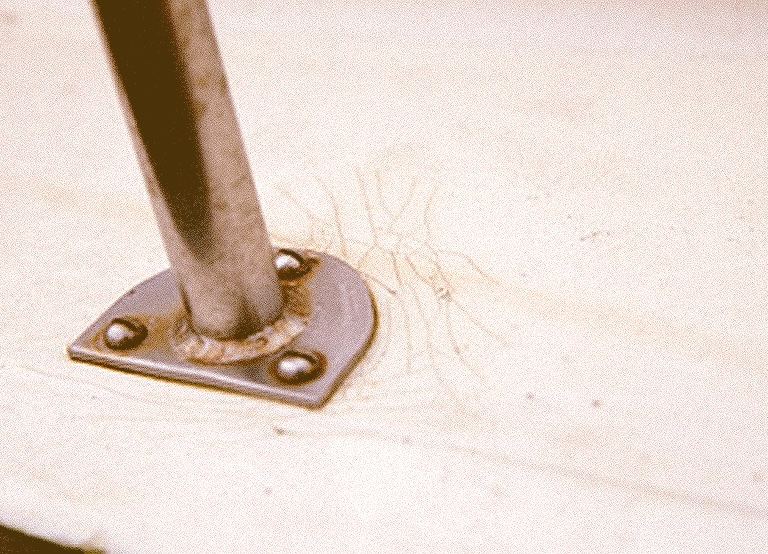
Deck fittings - chain plates, stanchion bases, cleats, winches, handrails, and deck fill pipes - are constantly stressed by rigging loads and movement underway, which loosens them and opens hairline cracks for water to enter the boat.
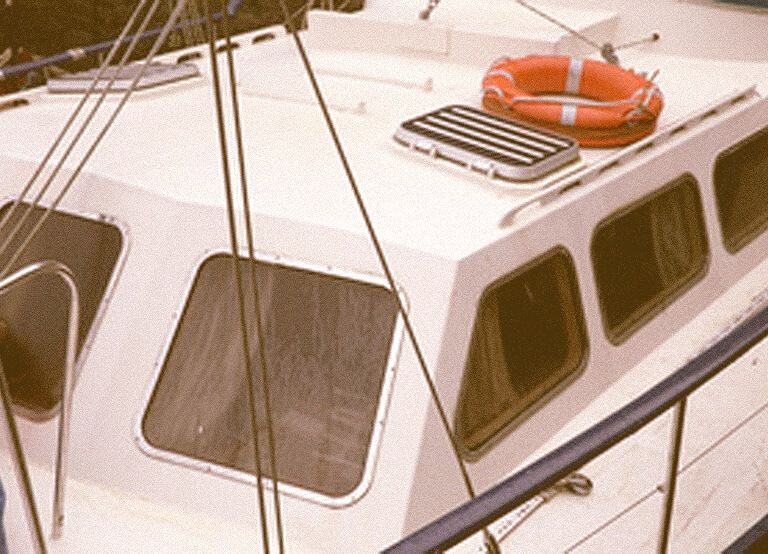
Coachroofs combine fibreglass, wood, and metal fittings that all expand and contract at different rates, opening hairline gaps along the joints and seams where water can track in.

Wooden decks, teak trim, and the joints between planks suffer the extremes of sun and rain, which opens hairline cracks along seams, caulking lines, and where the wood meets fibreglass or fittings.
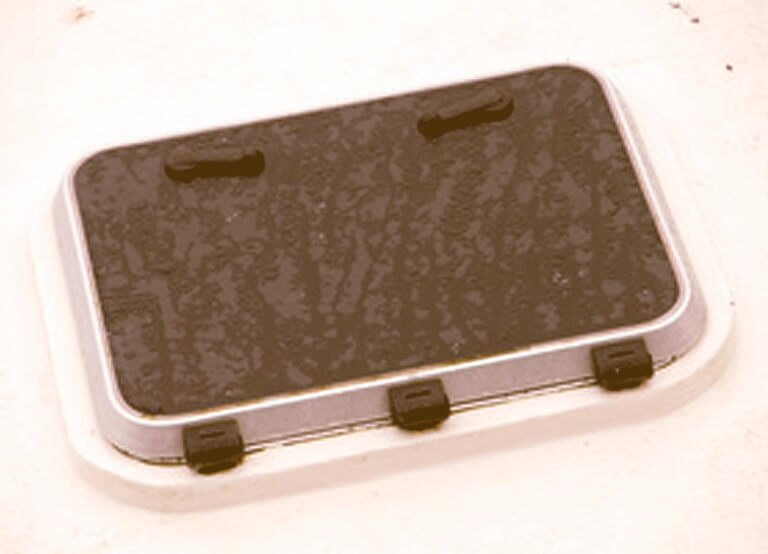
Deterioration of the seal between the frame and boat structure is a very common cause of leaks from hairline cracks in boats.

We use cookies to improve your experience on our site. By using our site, you consent to cookies.
Manage your cookie preferences below:
Essential cookies enable basic functions and are necessary for the proper function of the website.
These cookies are needed for adding comments on this website.
Statistics cookies collect information anonymously. This information helps us understand how visitors use our website.
Stores the visitor’s tracking consent preference (opt-in or opt-out) for Mixpanel analytics.
Vimeo is a video hosting platform for high-quality content, ideal for creators and businesses to showcase their work.
Service URL: vimeo.com (opens in a new window)
SourceBuster is used by WooCommerce for order attribution based on user source.
You can find more information in our Cookie Policy and Privacy Policy.
