Stop water finding its way in through a cracked worktop or unit joint
*Caution is needed on exposed MDF because it can absorb the sealant and cause it to swell.
Joints between sinks, worktops, and units are prone to fine cracks that let water seep through and damage the cabinetry underneath, often causing laminate to lift, buckle, or peel away long before the damage is visible.
Captain Tolley’s Creeping Crack Cure uses capillary action to seep into these joints and seal them from the inside, without needing to replace the worktop or unit.
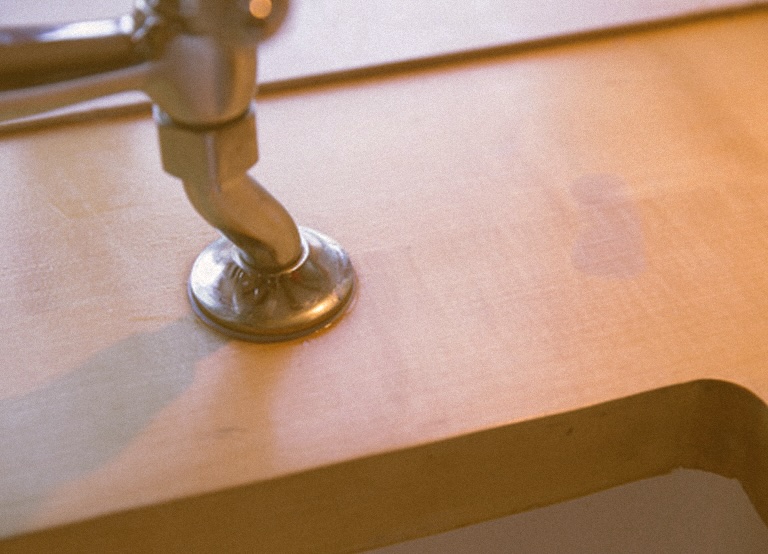
“Seven panels in our kitchen were unsticking the high gloss (plastic foil) wrapping from the mdf due to having been cut to size by the installers and them not sealing the exposed mdf ends. The wrapping was attached still to two uncut ends on each panel, it had peeled from the cut ends… I knew Creeping Crack Cure from use on my boat – it easily went into the narrow gap on the panels and dried ok without a noticeable line – how long it lasts I don’t yet know – but I see no reason why not forever – the mdf is sealed and stuck.”
– James Horner, Judge.me review
“I’ve used this stuff before and it worked a treat. Immediate next day delivery over the lockdown period too! Sealed a troublesome kitchen panel for my mum.”
– Glyn Jones, Judge.me review
One customer found a new use for it sealing laminate countertop seams, preventing water from seeping in and causing the seam to buckle over time.
– JJC, verified Amazon customer
*For best results, apply in dry conditions above 10°C / 50°F and keep the area dry while it cures. Cold or damp weather slows curing, and moisture can dilute the sealant before it sets, so allow extra time if conditions aren’t ideal.
Yes – sealing the gap where water is getting in behind the laminate stops it from spreading further, though it won’t reattach laminate that has already lifted significantly. It works best caught early, while the gap is still fine.
We do not recommend using Captain Tolley’s on exposed MDF / particle board because the sealant can be further absorbed into the surface, causing it to swell.
Yes, but give it time to cure fully first. During the first 24 hours, avoid letting water pool or run over the joint – a splash while washing up is fine once it’s cured, but soaking it too soon (leaving water sitting in the sink overnight, for example) can wash the sealant out before it’s had a chance to set.
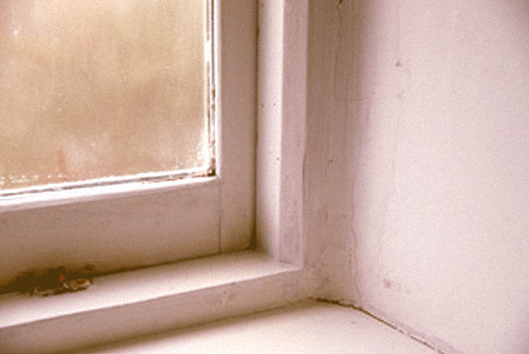
Hairline cracks in window frames and glazing let moisture in, especially where the seal around the glass has shrunk or perished with age.
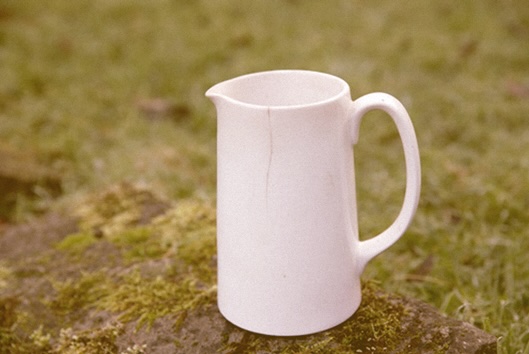
Cracked plates, bowls, and treasured china can be repaired before the crack spreads further with every wash and use.
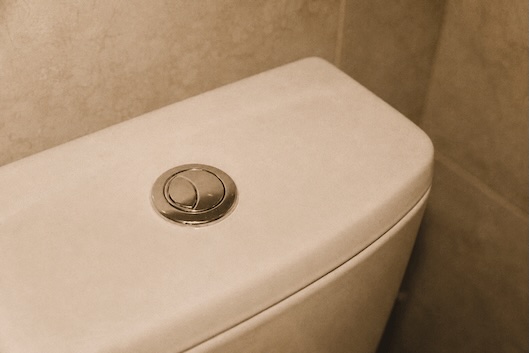
Toilet cisterns and pans often develop hairline cracks in the porcelain that cause slow, easily-missed leaks long before the damage is visible.
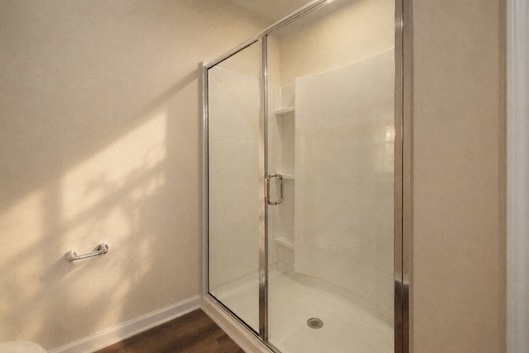
Constant exposure to water and weight makes shower trays and door seals especially prone to hairline cracks that lead to leaks in the floor below.

We use cookies to improve your experience on our site. By using our site, you consent to cookies.
Manage your cookie preferences below:
Essential cookies enable basic functions and are necessary for the proper function of the website.
These cookies are needed for adding comments on this website.
Statistics cookies collect information anonymously. This information helps us understand how visitors use our website.
Stores the visitor’s tracking consent preference (opt-in or opt-out) for Mixpanel analytics.
Vimeo is a video hosting platform for high-quality content, ideal for creators and businesses to showcase their work.
Service URL: vimeo.com (opens in a new window)
SourceBuster is used by WooCommerce for order attribution based on user source.
You can find more information in our Cookie Policy and Privacy Policy.
