Stop water finding its way in through a fixed window seal
Fixed windows such as rear quarter glass can develop cracks in their seals over time, letting water seep in around the frame without an obvious source.
Captain Tolley’s Creeping Crack Cure uses capillary action to seep into these cracks and seal them from the inside, without needing to remove the glass or replace the seal.
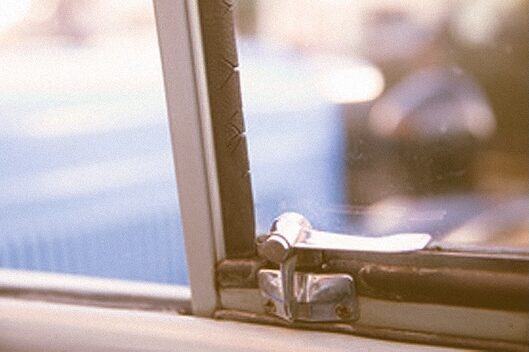
“Excellent results. It saved me a very expensive removal of two leaking rear quarter windows on a Smart Car. I recommend this product and would use it again. It does what it says it will do.”
– John Miller, Judge.me review
“I found out about Captain Tolley’s Creeping Crack Cure penetrating sealant through a Smart Car repair website… to use on cracks on the plastic inner frame glued to the rear hatch window. It filled the tiny cracks at the stress points where a cover for the rear window wiper motor attaches.”
– Richard Bogart, Judge.me review
*For best results, apply in dry conditions above 10°C / 50°F and keep the area dry while it cures. Cold or damp weather slows curing, and moisture can dilute the sealant before it sets, so allow extra time if conditions aren’t ideal. If you’re working in a garage or storage space, check if the air feels dry, not just that it’s out of the weather, and allow extra time to cure if it’s damp or unheated.
This works best on a true hairline crack, less than 0.8mm wide. A simple way to check: if you can just about see the crack but can’t fit the edge of a fingernail or a thin card into it, it’s a good match. If you can see daylight through the gap, or fit something into it, a traditional reseal will likely give a better result.
Then the fix is to clear or repair the real source, such as unblocking a drain or replacing a door seal. Sealing the windscreen won’t stop that leak. Once it’s sorted, repeat the tests to confirm the leak has gone. If the tests point to a hairline crack in the seal, that’s what Creeping Crack Cure is for.
Yes, once fully cured. Apply it in a dry spell and give it at least 3 days before exposing it to rain or a car wash, so the sealant has time to set properly.
You can still get a good result on a slightly wider gap by building it up in layers. Apply a bead, let it soften slightly, work it into the gap with a fine tool, then add a fresh coat over the top once dry. This takes a bit more patience than a straightforward hairline repair, but several customers have had success this way on a trickier seal.
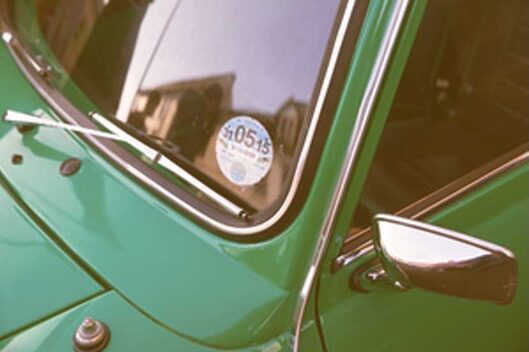
The rubber seal around a rear window or windscreen can develop fine cracks over time, letting water track into the boot or cabin.
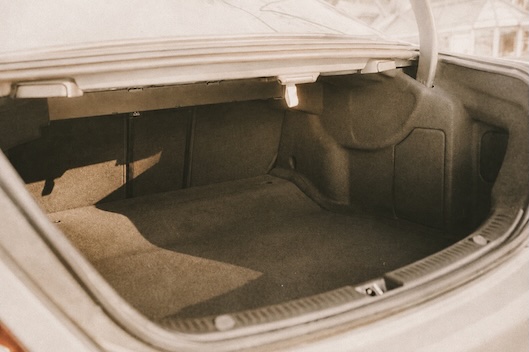
Ageing seals around the boot lid or tailgate are one of the most common causes of water pooling inside the car, often traced back to a single hairline crack.
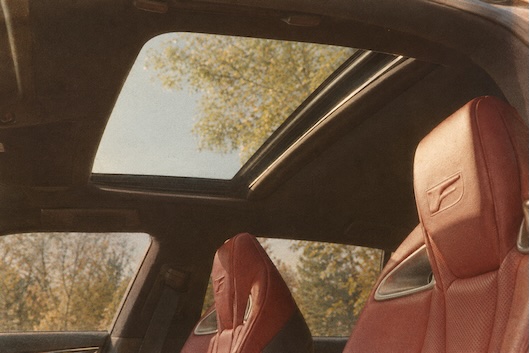
Sunroof seals and drainage channels are prone to hairline cracks that let water drip into the cabin, especially as the vehicle ages.
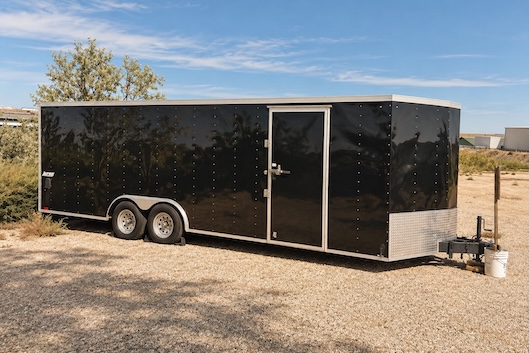
Rivets and fastenings loosen with age and vibration, leaving tiny gaps that let water creep in - a common issue on riveted trailers like Airstreams.

We use cookies to improve your experience on our site. By using our site, you consent to cookies.
Manage your cookie preferences below:
Essential cookies enable basic functions and are necessary for the proper function of the website.
These cookies are needed for adding comments on this website.
Statistics cookies collect information anonymously. This information helps us understand how visitors use our website.
Stores the visitor’s tracking consent preference (opt-in or opt-out) for Mixpanel analytics.
Vimeo is a video hosting platform for high-quality content, ideal for creators and businesses to showcase their work.
Service URL: vimeo.com (opens in a new window)
SourceBuster is used by WooCommerce for order attribution based on user source.
You can find more information in our Cookie Policy and Privacy Policy.
