Stop water finding its way in through a cracked model boat hull
“There was a water leak into the model at the stern thruster, I ran some glue round the fitting and let it set, gave it three applications, and all is well, it works as advertised.”
– David Wilson, Judge.me review
Model boats are just as prone to hairline cracking as full-size yachts, often from repeated knocks and handling, and a cracked hull can quickly sink or waterlog a model that’s otherwise still in good condition.
Captain Tolley’s Creeping Crack Cure uses capillary action to seep into these cracks and seal them from the inside, saving a hull that would otherwise need replacing.
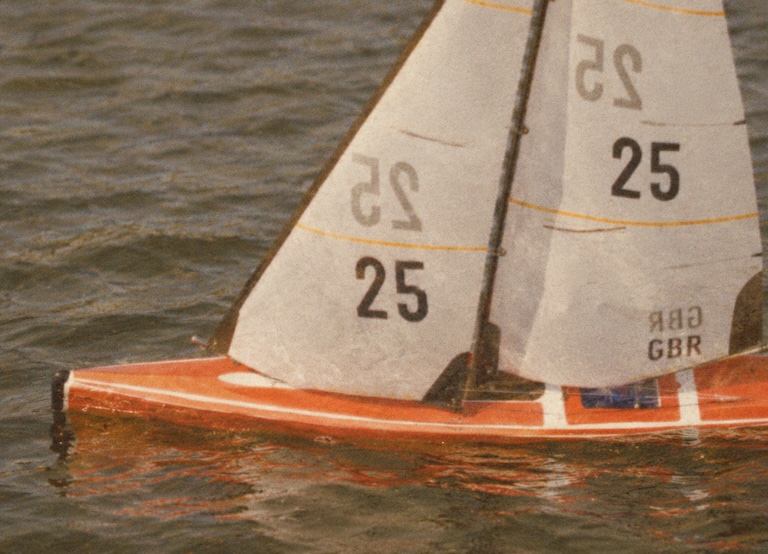
“Having purchased a model racing yacht it was clear after sailing it, there was a leak allowing water in which affected the performance when racing. I had heard of this product from other model boat builders & decided to buy some and try it. I knew roughly where the leak was so applied the liquid and let it do it’s magic, after a few applications I tried the yacht and in quite rough conditions with the model being swept with waves I thought it would be a good test. After 4 hours of racing I pulled the drain plug out of the hull and nothing came out, it was completely dry. Having to put up with nearly a mug full of water being taken on after every race to nothing after 7 races I was well pleased. I have told other members in the sailing club.”
– Alan Bruce-Smith, Judge.me review
One competitive sailor races DF65 model sailboats, a class prone to hull cracking – he’s used this to save two boats from needing new hulls entirely, calling it well worth the money.
– C T, verified Amazon customer
Another customer has used it for years on full-size yachts and dinghies, and turned to it again for leaks on model racing yachts with the same success on both.
– Antony Sedgwick, verified Amazon customer
*For best results, apply in dry conditions above 10°C / 50°F and keep the area dry while it cures. Cold or damp weather slows curing, and moisture can dilute the sealant before it sets, so allow extra time if conditions aren’t ideal.
Yes, though curved surfaces can need a bit more patience – because the sealant is so thin, it doesn’t always stay put on a tight curve for long enough to be drawn in. Reapplying with the hull tilted at a few different angles helps make sure the sealant has time to seep into the crack before it runs off.
This product is designed for fine, hairline cracks rather than larger splits or holes. For a wider crack, reinforcing it with a strong repair tape alongside the sealant can help bridge the gap while the sealant seals the finer cracking around it.
Let it cure fully before putting the boat back in the water – applying it just before use or in damp conditions can wash it out before it sets.
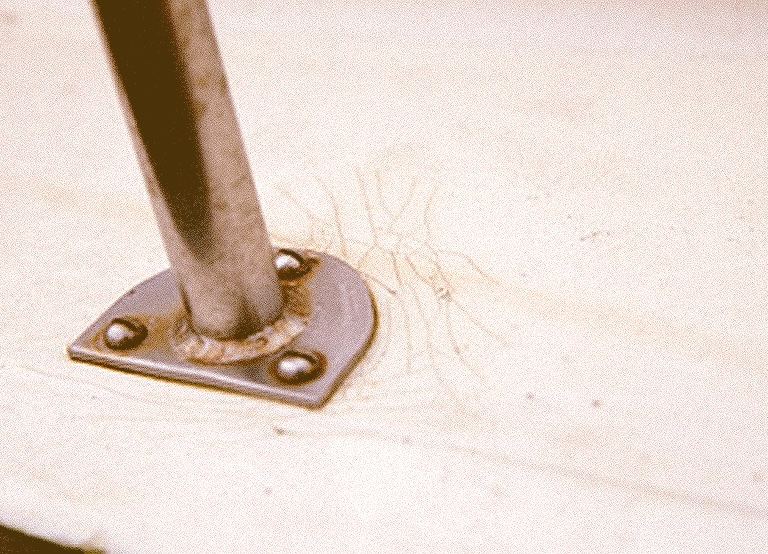
Deck fittings - chain plates, stanchion bases, cleats, winches, handrails, and deck fill pipes - are constantly stressed by rigging loads and movement underway, which loosens them and opens hairline cracks for water to enter the boat.
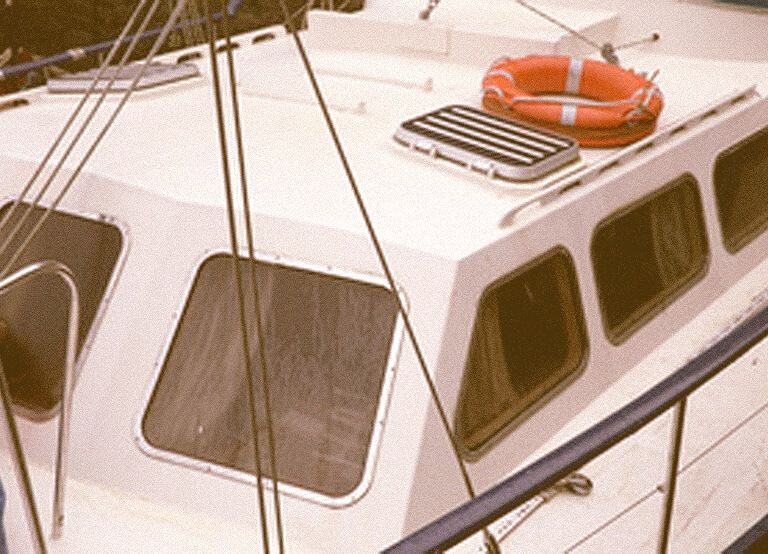
Coachroofs combine fibreglass, wood, and metal fittings that all expand and contract at different rates, opening hairline gaps along the joints and seams where water can track in.

Wooden decks, teak trim, and the joints between planks suffer the extremes of sun and rain, which opens hairline cracks along seams, caulking lines, and where the wood meets fibreglass or fittings.
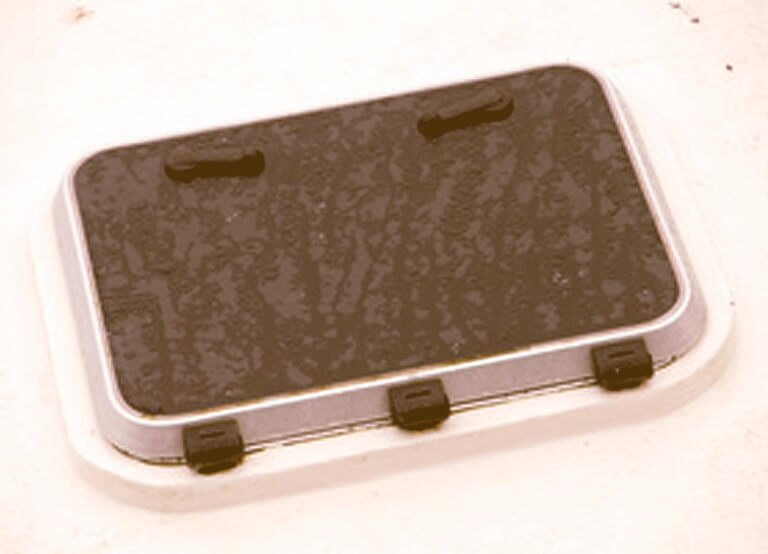
Deterioration of the seal between the frame and boat structure is a very common cause of leaks from hairline cracks in boats.

We use cookies to improve your experience on our site. By using our site, you consent to cookies.
Manage your cookie preferences below:
Essential cookies enable basic functions and are necessary for the proper function of the website.
These cookies are needed for adding comments on this website.
Statistics cookies collect information anonymously. This information helps us understand how visitors use our website.
Stores the visitor’s tracking consent preference (opt-in or opt-out) for Mixpanel analytics.
Vimeo is a video hosting platform for high-quality content, ideal for creators and businesses to showcase their work.
Service URL: vimeo.com (opens in a new window)
SourceBuster is used by WooCommerce for order attribution based on user source.
You can find more information in our Cookie Policy and Privacy Policy.
