Exterior Fittings & Fixtures in RVs, Campervans and Caravans

Stop water finding its way in through a bolted-on exterior fitting

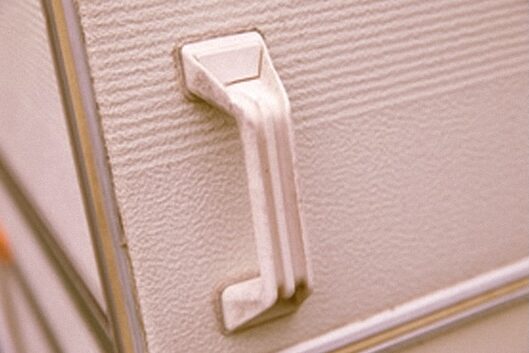
Grab handles, roof vents, awning rails, roof lights, and other fittings bolted through the bodywork all rely on a seal around each fixing point to keep water out – and that seal cracks with age, vibration, and constant flexing as the vehicle moves.

Captain Tolley’s Creeping Crack Cure uses capillary action to seep into these cracks and seal them from the inside, without needing to unbolt the fitting or reseal it from scratch.

external fixtures and fittings on a caravan which can be sealed if there are leaks from hairline cracks using Captain Tolley's Creeping Crack Cure sealant

“I’ve waited since last November for a dry spell to carry out a repair on a rooflight frame. The recent fine weather has let me try the Creeping Crack Cure, and after a few showers it seems to have finally sealed a persistent drip.”

– William Spencer, Judge.me review

“Been using this for a few years to make sure the awning rails on the caravan are well sealed. Dose them every second year. Dry as a bone.”

– David Finlayson, Judge.me review

How to use it on a caravan or motorhome exterior fitting

  1. Clean the area around each fixing point, rail, or vent seal and let it dry completely.

  2. Apply the sealant around each bolt, screw, or seal edge individually – a fitting usually has several separate points where water can get in, and only one may be the actual source.

  3. Wipe away any excess immediately with a damp cloth. Dried stains can be removed with industrial wet wipes.

  4. Wait 30 minutes to an hour, then reapply until the area stops taking up sealant – most exterior fittings need two to three applications, not one.

  5. Leave to cure for at least 3 days* in dry weather before exposing it to rain.


*For best results, apply in dry conditions above 10°C / 50°F and keep the area dry while it cures. Cold or damp weather slows curing, and moisture can dilute the sealant before it sets, so allow extra time if conditions aren’t ideal. If you’re working in a garage or storage space, check if the air feels dry, not just that it’s out of the weather, and allow extra time to cure if it’s damp or unheated.

Frequently Asked Questions

How can I check if this is a good fit for my leak first?

This works best on a true hairline crack or gap around the fitting – finer than about 0.8mm. If you can see a fine line but can’t fit a fingernail into it, it’s a good match. A fitting that’s loose, or a seal that’s visibly split or perished, will need refitting or replacing rather than sealing.

No – it’s designed to be applied directly around the visible fixing point, rail, or seal while the fitting stays in place.

Yes, once fully cured – apply it in a dry spell and give it a full day before exposing it to rain, so the sealant has time to set properly.

Other uses

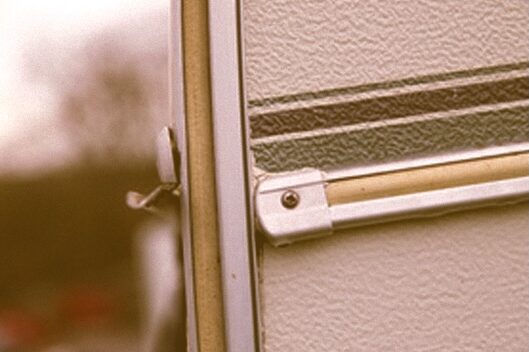
caravan trim which can be sealed if there are leaks from hairline cracks using Captain Tolley's Creeping Crack Cure sealant

Caravan Trim

Exterior trim and mouldings flex with temperature changes and road vibration, opening fine cracks that let water track in behind the panels.
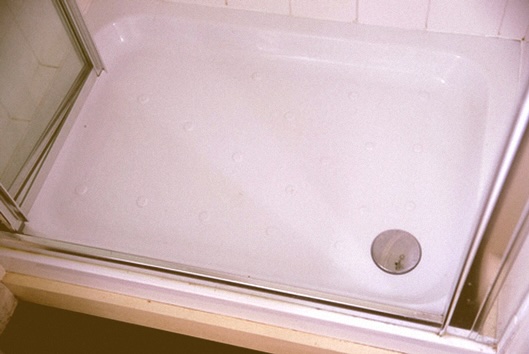
a caravans shower enclosure which can be sealed if there are leaks from hairline cracks using Captain Tolley's Creeping Crack Cure sealant

Caravan & Motorhome Shower Tray Seals

Caravan and motorhome shower trays are lighter than a home tray and flex with movement and changing temperatures, so hairline cracks in the sealant are common.
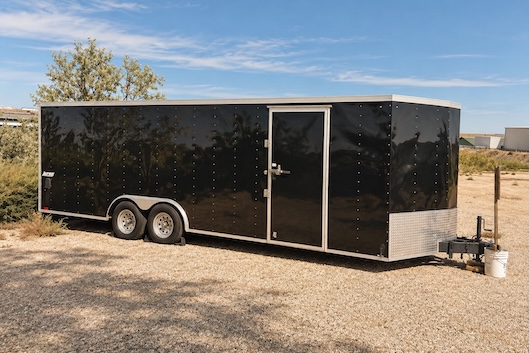
a long trailer with rivets and panelling which can be sealed if there are leaks from hairline cracks using Captain Tolley's Creeping Crack Cure sealant

Screws, Rivets & Fastenings

Rivets and fastenings loosen with age and vibration, leaving tiny gaps that let water creep in - a common issue on riveted trailers like Airstreams.
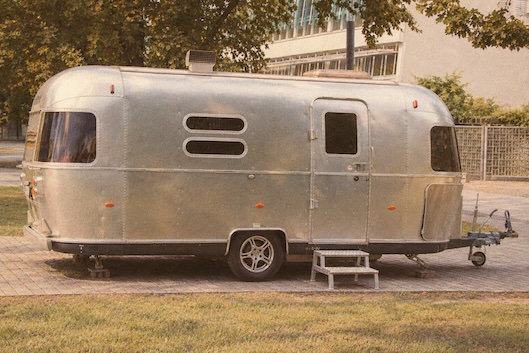
an airstream which can be sealed if there are leaks from hairline cracks using Captain Tolley's Creeping Crack Cure sealant

Airstreams

Riveted aluminium panels, seams and window seals all rely on a thin bead of sealant to keep water out, and that seal shrinks and cracks with age, letting water track in behind the shell.