Stop water finding its way in through a cracked conservatory seal
Conservatory glazing seals face the same extremes of sun and rain as a boat’s coachroof, making them prone to cracking and water ingress over time, particularly around window openers and roof glazing bars.
Captain Tolley’s Creeping Crack Cure uses capillary action to seep into these cracks and seal them from the inside, without needing to replace the glazing or call out a full roof repair.
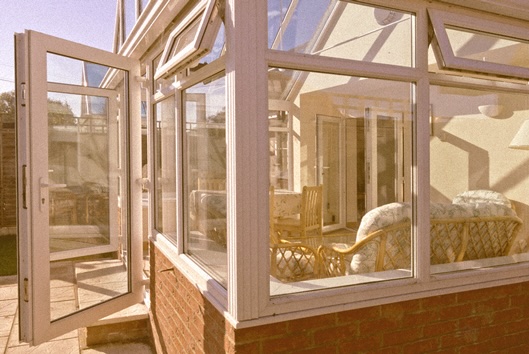
“I’ve used Captain Tolley’s since, I think, the late eighties on a variety of yachts for sealing everything from hatches and windows to cable glands and cracks. There is nothing quite like it. It has worked every single time and is just so easy to apply. Recently, I was puzzling on how to fix a leak in the roof window of my hardwood conservatory which was outside and hard to get at… There was a crack the full length of the roof window and Creeping Crack Cure had crept all the way down. A damp cloth removed the spot on the tiles easily and I awaited bad weather. Last week but one we had 45kt winds with lashing rain and not a drop found its way in. Another victory for Creeping Crack Cure! I would recommend it every time.”
– Mike Squire, Judge.me review
“Waited for a couple of days of warm dry weather before using on a glass conservatory roof which was leaking. The first application slowed down the two leaks. Waited again for two rain free days and tried again. One panel cured, one still had a slight leak. On the third attempt success so far. Best product I have ever used. Hope it holds out over the winter.”
– John Dadds, Judge.me review
One customer avoided a full roof replacement that tradesmen had recommended by sealing a persistent leak around a window opener on an orangery glass roof directly instead.
– spencer l smith, verified Amazon customer
*For best results, apply in dry conditions above 10°C / 50°F and keep the area dry while it cures. Cold or damp weather slows curing, and moisture can dilute the sealant before it sets, so allow extra time if conditions aren’t ideal.
It’s worth trying before committing to a full reglaze – one customer avoided a full roof replacement that tradesmen had recommended by sealing the leak around a window opener directly.
Conservatory glazing is exposed to constant expansion and contraction from sun and temperature changes, so a seal can be cracked in more than one place along its length even if only one spot is visibly leaking. If it doesn’t fully stop after the first application, that’s usually why – simply reapply along the full length of the seal, not just the worst spot.
Yes, once fully cured it’s designed to withstand normal weather exposure – but avoid applying it right before rain, or in cold or damp conditions, since this can wash it out or stop it curing properly in the first place.

Hairline cracks in window frames and glazing let moisture in, especially where the seal around the glass has shrunk or perished with age.

Cracked plates, bowls, and treasured china can be repaired before the crack spreads further with every wash and use.
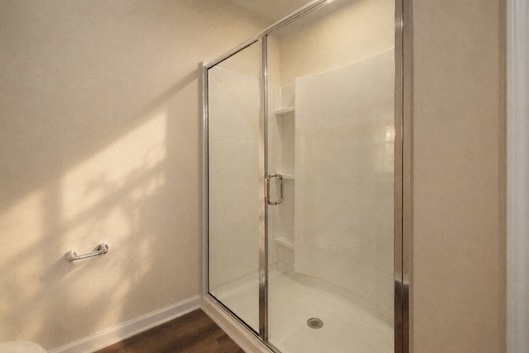
Constant exposure to water and weight makes shower trays and door seals especially prone to hairline cracks that lead to leaks in the floor below.
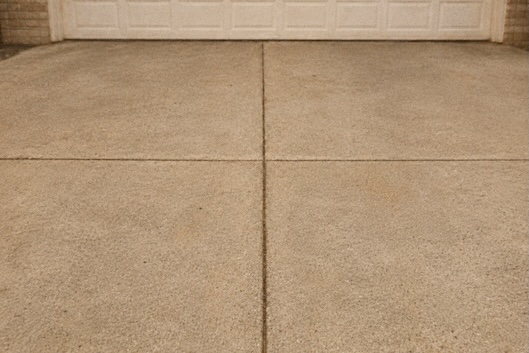
Concrete patios, driveways, and slabs develop fine cracks over time as the ground shifts and the surface weathers, letting water in and allowing the damage to spread.

We use cookies to improve your experience on our site. By using our site, you consent to cookies.
Manage your cookie preferences below:
Essential cookies enable basic functions and are necessary for the proper function of the website.
These cookies are needed for adding comments on this website.
Statistics cookies collect information anonymously. This information helps us understand how visitors use our website.
Stores the visitor’s tracking consent preference (opt-in or opt-out) for Mixpanel analytics.
Vimeo is a video hosting platform for high-quality content, ideal for creators and businesses to showcase their work.
Service URL: vimeo.com (opens in a new window)
SourceBuster is used by WooCommerce for order attribution based on user source.
You can find more information in our Cookie Policy and Privacy Policy.
