Product Info

Unique penetrating sealant

Captain Tolley’s is an acrylic co-polymer sealant with exceptional penetrating properties.

Formulated to be as thin as water, it draws into hairline cracks and gaps using capillary action.

It penetrates deep, narrow cracks to fill them and make them secure.

As an added bonus, it’s non-toxic and sets clear in colour (though when it comes out of the tube, it appears white).

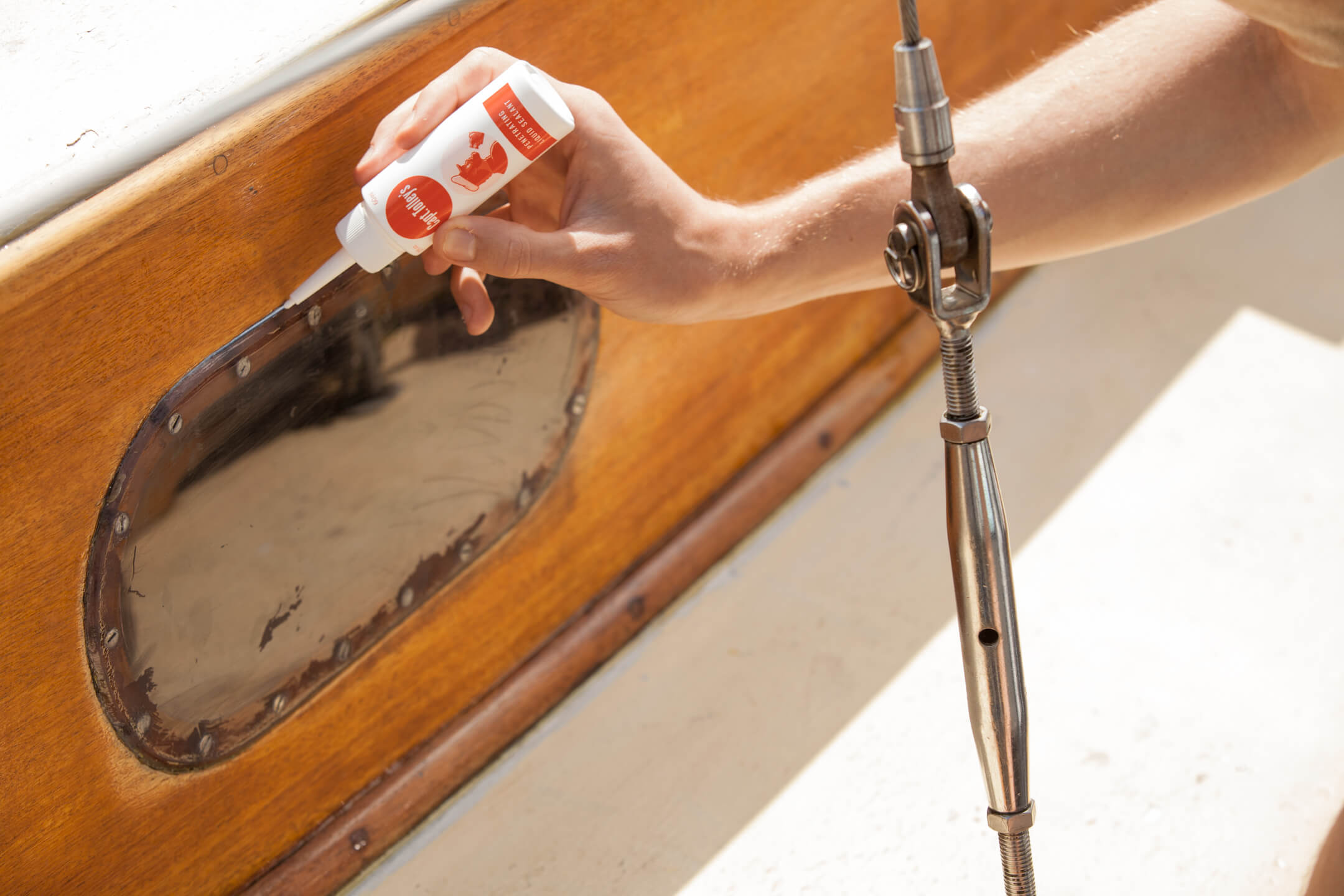
the 60ml bottle of Captain Tolleys Creeping Crack Cure being used on the sealing around a boats windows

Is this the right fix for your crack?

Creeping Crack Cure is designed for hairline cracks less than 0.8mm wide – about the width of a human hair. It works by capillary action, the same force that draws water into a thin gap, so it needs a crack fine enough for that to happen.

A simple check: if you can see the crack but can’t fit a fingernail or a thin piece of card into it, it’s a good match.

If you can fit something into the gap, or see daylight through it, you’ll get a better result from a gap-filling sealant.

illustration of the captain tolleys sealant penetrating a hairline crack through capillary action

Works on most hard materials

One product, many surfaces:

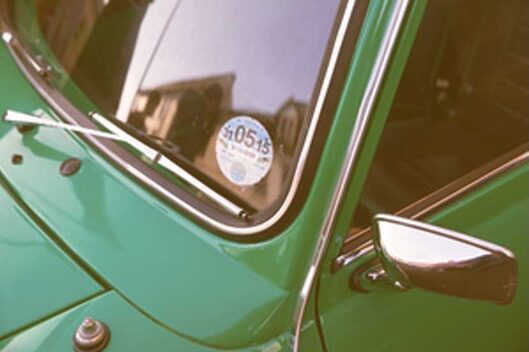
cars windscreens which can be sealed if there are leaks from hairline cracks using Captain Tolley's Creeping Crack Cure sealant

car window seals

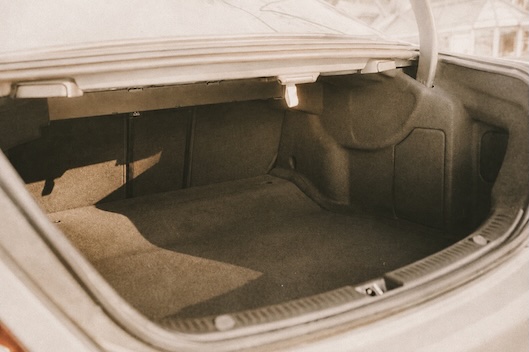
the sealing around a cars boot/trunk which can be sealed if there are leaks from hairline cracks using Captain Tolley's Creeping Crack Cure sealant

car boot gaskets

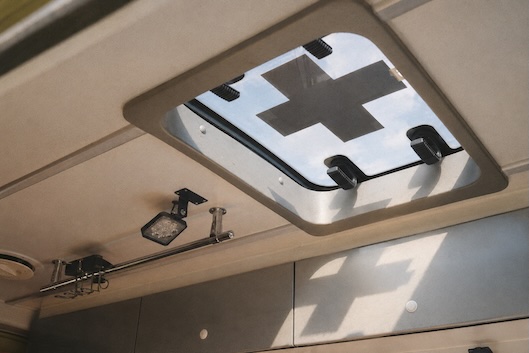
a skylight in a caravan/rv which can be sealed if there are leaks from hairline cracks using Captain Tolley's Creeping Crack Cure sealant

hatch surrounds

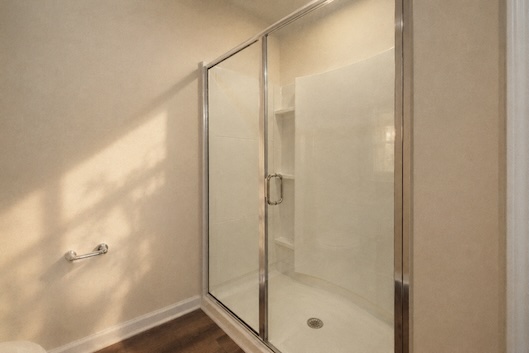
a home shower enclosure which can be sealed if there are leaks from hairline cracks using Captain Tolley's Creeping Crack Cure sealant

shower door seals

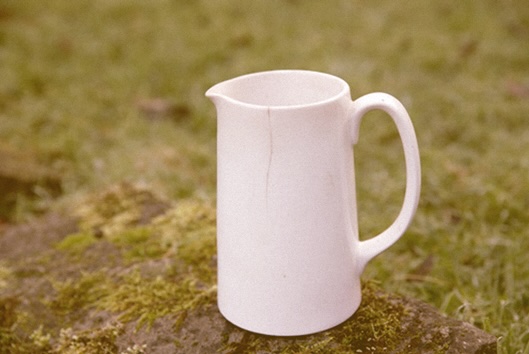
a cracked piece of crockery which can be sealed if there are leaks from hairline cracks using Captain Tolley's Creeping Crack Cure sealant

crockery

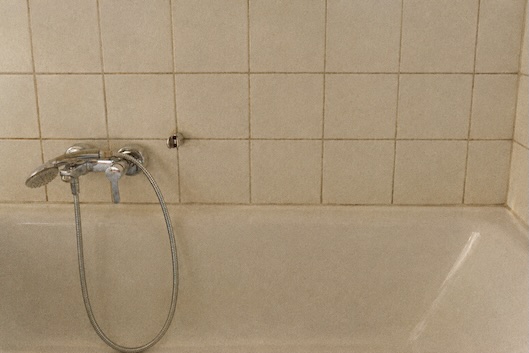
bathroom tiles and grouting which can be sealed if there are leaks from hairline cracks using Captain Tolley's Creeping Crack Cure sealant

tiles

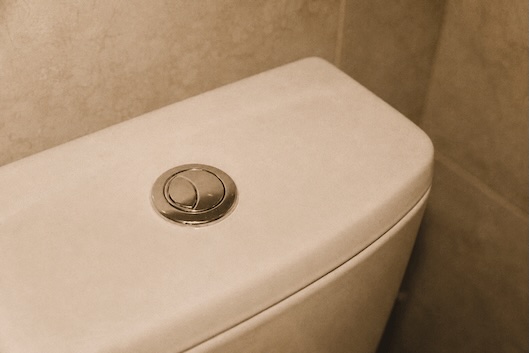
a toilets cistern which can be sealed if there are leaks from hairline cracks using Captain Tolley's Creeping Crack Cure sealant

toilet cisterns

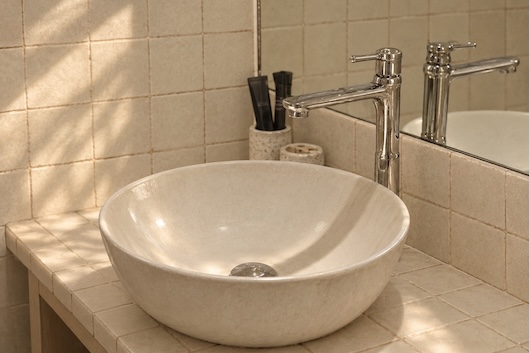
a bathroom basin/sink which can be sealed if there are leaks from hairline cracks using Captain Tolley's Creeping Crack Cure sealant

basins & sinks

a boats wooden deck which can be sealed if there are leaks from hairline cracks using Captain Tolley's Creeping Crack Cure sealant

teak decking

wooden sash windows which can be sealed if there are leaks from hairline cracks using Captain Tolley's Creeping Crack Cure sealant

sash windows

a wooden kitchen top counter which can be sealed if there are leaks from hairline cracks using Captain Tolley's Creeping Crack Cure sealant

wooden kitchen joint

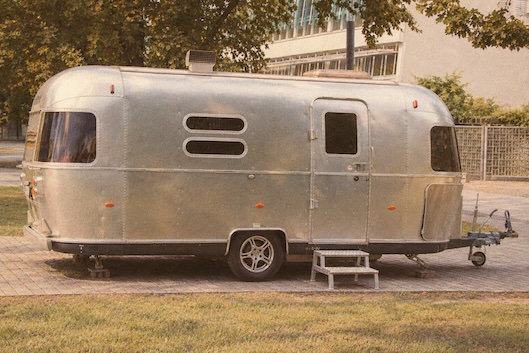
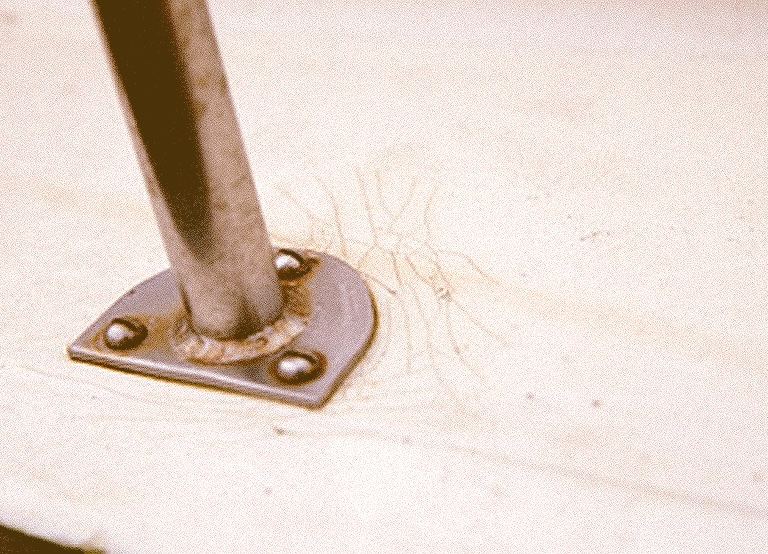
an airstream which can be sealed if there are leaks from hairline cracks using Captain Tolley's Creeping Crack Cure sealant

rivets & screws

the surface around boats deck fittings which can be sealed if there are leaks from hairline cracks using Captain Tolley's Creeping Crack Cure sealant

deck fittings

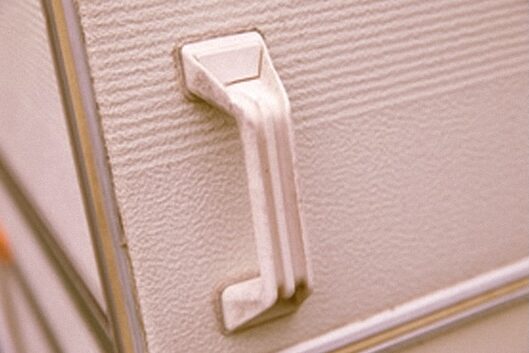
external fixtures and fittings on a caravan which can be sealed if there are leaks from hairline cracks using Captain Tolley's Creeping Crack Cure sealant

bolted fixings

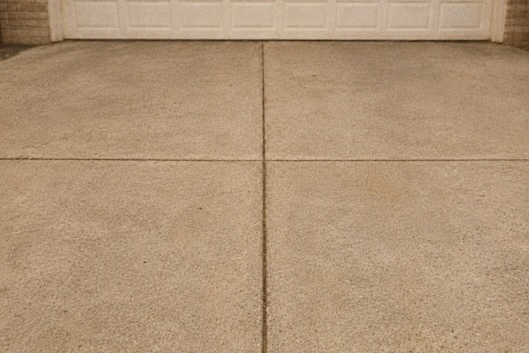
a concrete driveway which can be sealed if there are leaks from hairline cracks using Captain Tolley's Creeping Crack Cure sealant

driveways

a concrete garden patio area which can be sealed if there are leaks from hairline cracks using Captain Tolley's Creeping Crack Cure sealant

patios

concrete steps which can be sealed if there are leaks from hairline cracks using Captain Tolley's Creeping Crack Cure sealant

steps

a concrete bird bath which can be sealed if there are leaks from hairline cracks using Captain Tolley's Creeping Crack Cure sealant

garden features

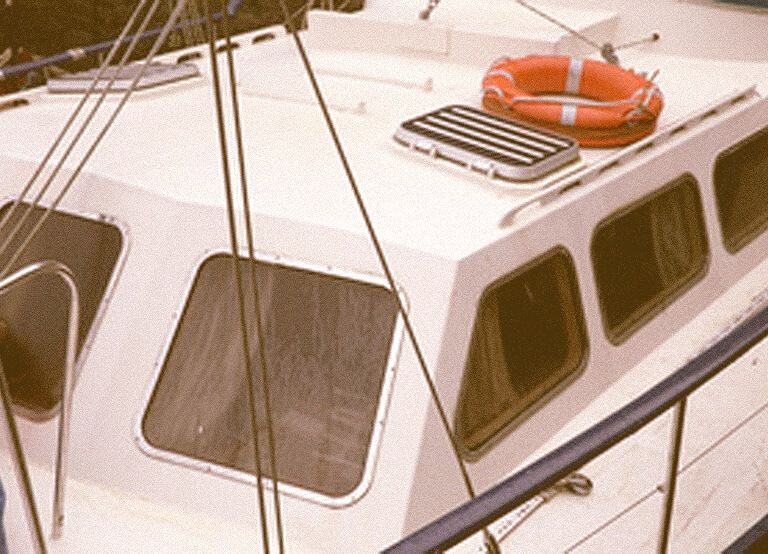
a boats deck roof which can be sealed if there are leaks from hairline cracks using Captain Tolley's Creeping Crack Cure sealant

boat coachroofs

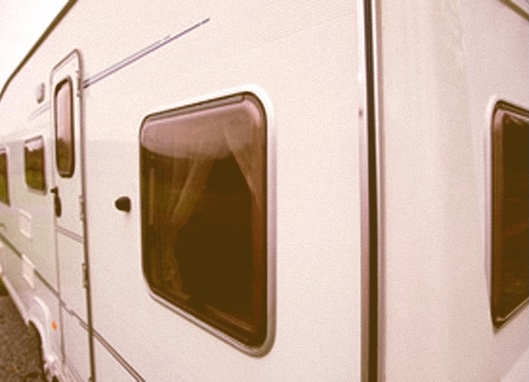
windows on a caravan which can be sealed if there are leaks from hairline cracks using Captain Tolley's Creeping Crack Cure sealant

motorhome panels

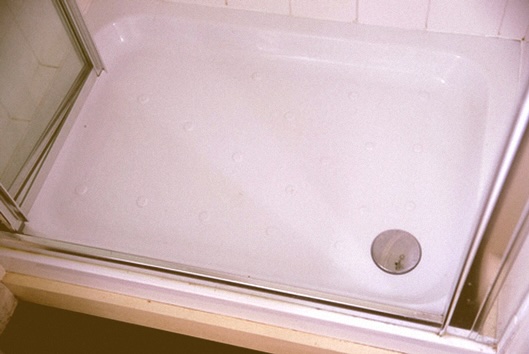
a caravans shower enclosure which can be sealed if there are leaks from hairline cracks using Captain Tolley's Creeping Crack Cure sealant

shower trays

Sets to a durable waterproof seal

Originally developed for marine waterproofing it stands up to the toughest conditions.

an illustration to depict that captain tolleys is a sealant which dries clear

Clear

an illustration to depict that captain tolleys is a flexible sealant

Flexible

an illustration to depict that captain tolleys is a strong sealant

Strong

an animated gif of Captain Tolley with birds flying past in the sun and then clouds and rain

Shipshape

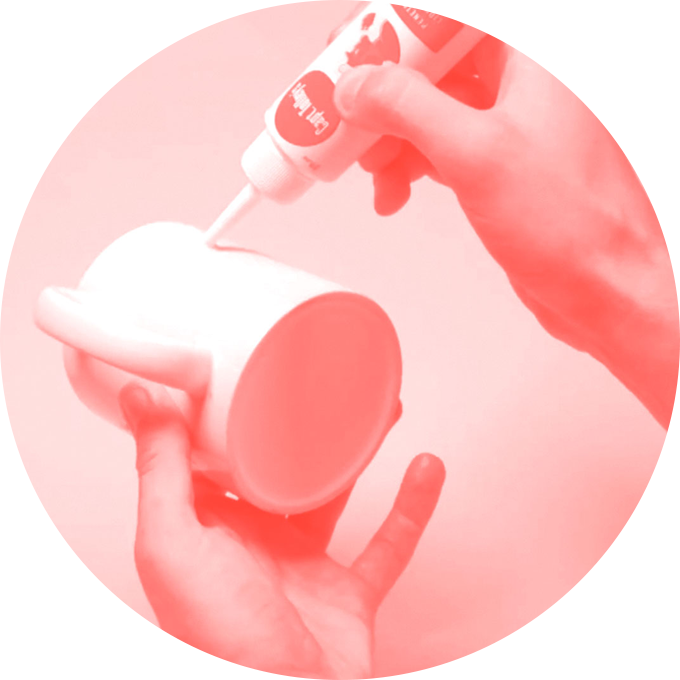
the 60ml bottle being used to seal hairline cracks in a mug

Step-by-Step Instructions

  1. Check the crack is a hairline, under 0.8mm wide, clean, free from grease and as dry as possible. For best results, apply in dry conditions above 10°C / 50°F.

  2. Apply sparingly from the bottle in 30-minute intervals until the crack is filled. For extra accuracy, use a hypodermic syringe.

  3. Rapid absorption of the product into a crack indicates a large leak, so check the product isn’t flowing through and dripping out the other side!

  4. Wipe off spills straight away with a damp cloth to stop the sealant staining the surface. Use industrial wet wipes for any dried stains.

  5. Leave for at least 24 hours to cure, keeping the area dry and allowing extra time in cold or damp weather, as moisture can dilute the sealant before it sets. Then check the leak has been sealed. If needed, apply more.

  6. Replace the cap after use.

Prepare area

Make sure the crack is hairline (i.e. less than 0.8mm wide) and the area is clean and free of dirt and debris. If it’s an outdoor repair make sure the conditions are frost-free, rain-free and temperature is not below 10°C/50°F.


Apply

Apply sparingly in 30 minute intervals until the crack is filled. Rapid absorption of the product into a crack indicates a large leak so check the product isn’t flowing through and dripping out the other side!


Wait at least 24 hours

Allow a minimum of 24 hours and up to 3 days for the sealant to fully cure in dry conditions. Check if the leak has been repaired. If needed, apply more sealant to finish. Curing times may vary according to atmospheric conditions.


Useful Tips

Use a hypodermic syringe for extra-accurate application and a damp cloth to clean up any spills. Remove dried stains with industrial wet wipes. Do not cut the nozzle off so that the bottle can be properly stored. 
Top mistakes to avoid

simple line drawing of a hairline crack

Hairline Cracks Only

Only works on cracks narrower than 0.8mm. Anything wider and the sealant may flow straight through!

an illustration of the number 5 with a curved arrow to represent the number of applications when using Captain Tolley's Creeping Crack Cure

Apply Small Layers

Apply in multiple small layers, allowing each coat to penetrate before adding more. Pouring all at once causes drips and mess.

an illustration of a cloud and sun to represent the curing conditions when using Captain Tolley's Creeping Crack Cure

Wait For Good Weather

For best results, apply in dry, mild conditions (above 10°C / 50°F). Cold and damp weather can significantly delay curing.

an illustration of a water droplet to represent no drips or stains when using Captain Tolley's Creeping Crack Cure

Avoid Drips & Stains

The formula is extremely runny and spreads easily. Protect surrounding surfaces and wipe away excess immediately.

Frequently Asked Questions

Once in place, Captain Tolley’s creates a watertight seal that’s strong, flexible and clear in colour.

Originally developed for marine waterproofing it stands up to the toughest conditions.

Do I need to cut off the end of the nozzle?

No, you don’t need to cut off the end of the nozzle.

The 60ml bottle already has a small hole in the nozzle and has a replaceable cap.

The 250ml bottle needs a pin to pierce the top of the nozzle and it also comes with a replaceable cap.

Unlike conventional sealants it’s not necessary, as the sealant will penetrate cracks regardless of the materials involved.

It has good chemical resistance. Once cured, the sealant is unaffected by most everyday chemicals.

It can be painted over successfully since so little of the sealant is exposed to the surface.

No. The area exposed to sunlight is so small that it doesn’t present a problem.

No. Unlike many sealants and glues it is water-based and non-toxic.

It depends on the size of the repair, however, we recommend leaving a minimum of 24-hour period for sealing to be on the safe side. 

The exposed edges of the sealant dry first; the sealant in the interior takes a little longer. 

If atmospheric conditions are cold and humid, it may even take longer than 24 hours to cure.

View our guide on curing times here.

Captain Tolley’s will only work on cracks and gaps approximately less than 0.8mm in width.

Anything larger than this, then the capillary action formula won’t work.

If the product spills onto the surrounding surface when applying, use a damp cloth to remove and prevent the sealant from staining the area.

For dried stains, we recommend using industrial wet wipes.      

It’s optimal if the area is as dry as possible, but Captain Tolley’s will still work with a small degree of moisture present. 

We do not recommend using the product or allowing it to cure in wet weather conditions as the sealant will dilute. 

A bottle can last up to 10 years when stored a cool, dry place.