Stop a hairline crack in a birdbath, terracotta planter, or garden feature before it leaks
“In the extreme heat of the summer my birdbath cracked. I turned to Creeping crack with high hopes. It worked. The birds are happy again!”
– M Duggan, Judge.me review
Outdoor features like birdbaths and terracotta planters are exposed to constant weathering, which can cause fine cracks to form over time, leading to slow leaks or water pooling where it shouldn’t.
Captain Tolley’s Creeping Crack Cure uses capillary action to seep into these cracks and seal them from the inside, without needing to replace the feature.

“Had a water fountain that had cracked with frost. This filled in the crack and the feature is back up and running. Brilliant, just follow the instructions.”
– Brian, Judge.me review
One long-time customer’s large fountain has developed hairline cracks over the years – the sealant handles them better than anything else he’s tried, though a larger crack sometimes needs reapplying about once a year.
– Birder, verified Amazon customer
Another simply said it fixed a leaking cement birdbath.
– Kevin, verified Amazon customer
*For best results, apply in dry conditions above 10°C / 50°F and keep the area dry while it cures. Cold or damp weather slows curing, and moisture can dilute the sealant before it sets, so allow extra time if conditions aren’t ideal.
It can hold up very well long-term, though on a piece that’s constantly exposed to the elements – like a fountain or birdbath left outside year-round – a light top-up every year or so is normal rather than a sign of failure, especially if the crack is on the larger side.
This works best on features that are wet intermittently rather than under constant standing water pressure – a birdbath, planter, or fountain that gets topped up periodically is a good fit. A feature that holds deep, constant standing water, like a full trough, puts more ongoing pressure on the seal and doesn’t always hold up as reliably.
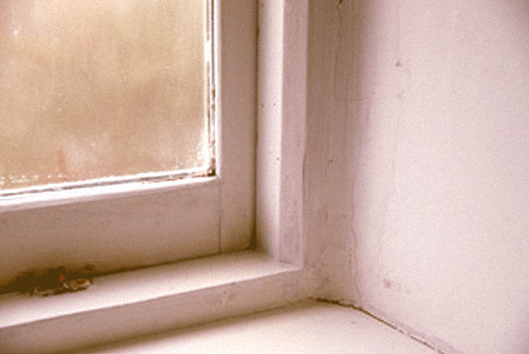
Hairline cracks in window frames and glazing let moisture in, especially where the seal around the glass has shrunk or perished with age.
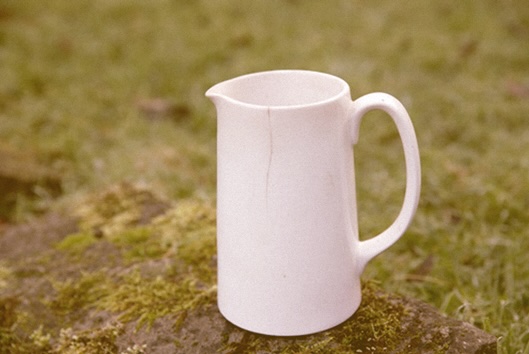
Cracked plates, bowls, and treasured china can be repaired before the crack spreads further with every wash and use.
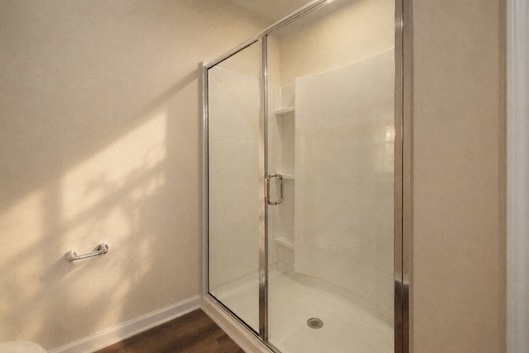
Constant exposure to water and weight makes shower trays and door seals especially prone to hairline cracks that lead to leaks in the floor below.
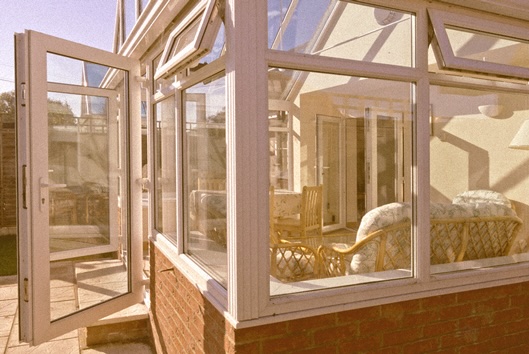
Conservatory glazing seals face the same extremes of sun and rain as a boat's coachroof, making them prone to cracking and water ingress over time.

We use cookies to improve your experience on our site. By using our site, you consent to cookies.
Manage your cookie preferences below:
Essential cookies enable basic functions and are necessary for the proper function of the website.
These cookies are needed for adding comments on this website.
Statistics cookies collect information anonymously. This information helps us understand how visitors use our website.
Stores the visitor’s tracking consent preference (opt-in or opt-out) for Mixpanel analytics.
Vimeo is a video hosting platform for high-quality content, ideal for creators and businesses to showcase their work.
Service URL: vimeo.com (opens in a new window)
SourceBuster is used by WooCommerce for order attribution based on user source.
You can find more information in our Cookie Policy and Privacy Policy.