Stop water pooling inside your boot before it ruins the carpet
“Sealed boot leak on my Honda Jazz, no misting on the inside now.”
– Jaydipe Narendralal, Judge.me review
Fixed windows such as rear quarter glass can develop cracks in their seals over time, letting water seep in around the frame without an obvious source.
Captain Tolley’s Creeping Crack Cure uses capillary action to seep into these cracks and seal them from the inside, without needing to remove the glass or replace the seal.
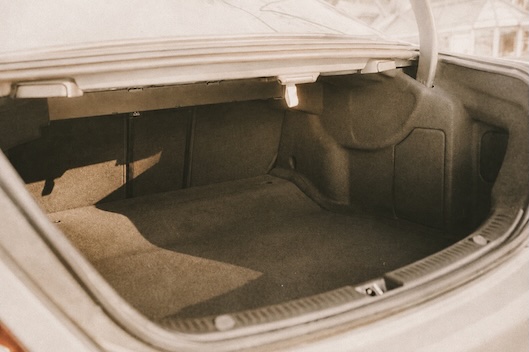
“My wife’s car, an 02 3-door Yaris, has had a persistent symmetrical leak for the past 18 months. Water gets in and drips into the boot from the top of the removable access panels for the rear light assemblies… I decided to use the ‘top down’ method, so removed the trims from the roof ‘gutters’ and cleaned the gutters. I then used masking tape to create a series of ‘dams’ in the gutter channels… Each side was then repeatedly dosed with Tolley’s, waiting until the treated area had dried before repeating the process. I did this about 6 times per side over 2 days… Over the following fortnight, we had all sorts of weather, most of it rain! Nothing got in and the boot carpet is back where it belongs.”
– Julian Flint, Judge.me review
“A very dry Martini. A very dry, arid, barren, desiccated, veritable dustbowl of a Martini. I want a Martini that could be declared a disaster area.
This sums up how dry my car boot is after a liberal application of Captain Tolley’s wonderful concoction!”
– James Curgenven, Judge.me review
One Ford Focus owner discovered water can capillary upwards through a gap before coming back down into the boot – treating the gap directly, rather than just where the water pooled, finally solved a years-old leak.
– Peej, verified Amazon customer
*For best results, apply in dry conditions above 10°C / 50°F and keep the area dry while it cures. Cold or damp weather slows curing, and moisture can dilute the sealant before it sets, so allow extra time if conditions aren’t ideal. If you’re working in a garage or storage space, check if the air feels dry, not just that it’s out of the weather, and allow extra time to cure if it’s damp or unheated.
This works best on true hairline cracks – around the seal itself, a hinge, or fine cracking in the surrounding paintwork from body flex. If you can see a fine crack or line but can’t fit a fingernail into it, it’s a good match. A wider gap or a failed rubber seal that’s visibly perished will need a full reseal instead.
This is common with boot and tailgate leaks – water can travel along a seam or even upwards through a small crack before it finds its way down into the boot. It’s worth tracing the crack itself rather than only treating the spot where the water collects.
Yes, once fully cured – apply it in a dry spell and give it a full day before exposing it to rain or a car wash, so the sealant has time to set properly.
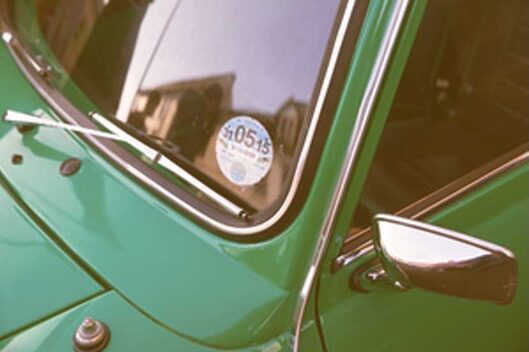
The rubber seal around a rear window or windscreen can develop fine cracks over time, letting water track into the boot or cabin.
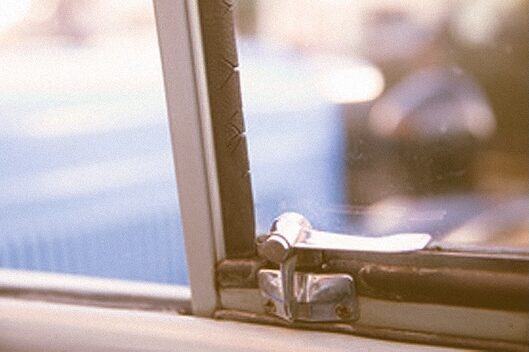
Fixed windows such as rear quarter glass can develop cracks in their seals over time, letting water seep in around the frame without an obvious source.
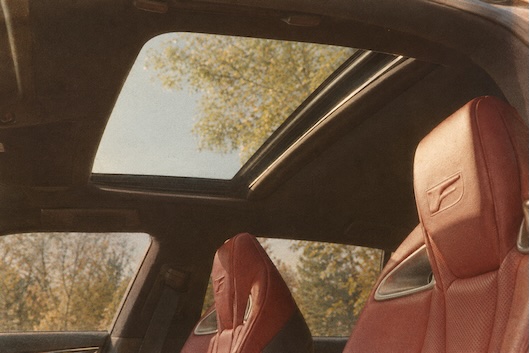
Sunroof seals and drainage channels are prone to hairline cracks that let water drip into the cabin, especially as the vehicle ages.
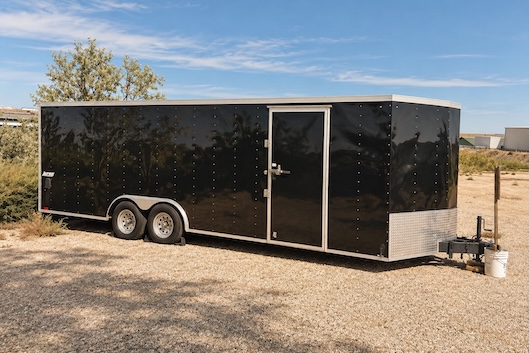
Rivets and fastenings loosen with age and vibration, leaving tiny gaps that let water creep in - a common issue on riveted trailers like Airstreams.

We use cookies to improve your experience on our site. By using our site, you consent to cookies.
Manage your cookie preferences below:
Essential cookies enable basic functions and are necessary for the proper function of the website.
These cookies are needed for adding comments on this website.
Statistics cookies collect information anonymously. This information helps us understand how visitors use our website.
Stores the visitor’s tracking consent preference (opt-in or opt-out) for Mixpanel analytics.
Vimeo is a video hosting platform for high-quality content, ideal for creators and businesses to showcase their work.
Service URL: vimeo.com (opens in a new window)
SourceBuster is used by WooCommerce for order attribution based on user source.
You can find more information in our Cookie Policy and Privacy Policy.