Stop a hairline crack or leaking edge on a shower tray and door seals before it leaks into the floor below
Shower trays take constant water and weight, and leaks tend to start where the tray meets the wall, door frame or seal, or at hairline cracks in older plastic and acrylic trays*.
Captain Tolley’s Creeping Crack Cure uses capillary action to seep into these fine cracks and gaps, less than 0.8mm wide, and seal them from the inside, often saving the cost and disruption of replacing the tray.
*Can be difficult to use on thin plastic shower trays because the thickness of the material surface area is too thin for the product to adhere to.
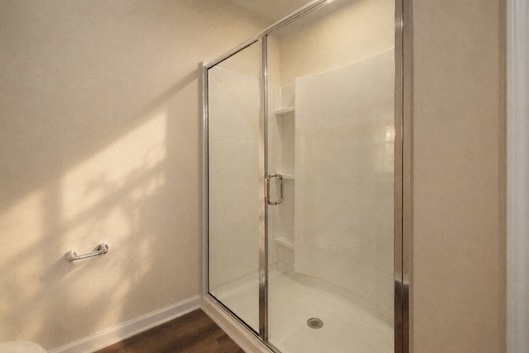
“I noticed a fine crack in the corner of my shower tray… applied it to the fine crack and you could see it seeping in, I applied a few times until it stayed on the surface over the crack… poured more water over the crack and none seems to be going into it, it just seems to run off it. I’ve used the shower for 10 days now and all seems good. So for me it’s a success and well worth the money.”
– Tony Whitworth, Judge.me review
“Found this and used to fix a leak through cracks in shower tiling, and between the door support and the shower tray. No more damp, mouldy carpet tiles!”
– Anthony, Judge.me review
For a hairline crack in the tray:
For a leak around the edge of the tray (where it meets the wall, frame, door groove or seal):
Cure times depend on ambient conditions. The sealant cures faster on a completely dry tray in a warm, ventilated bathroom above 10°C / 50°F. Cold or damp air slows the process, and moisture can mix with the sealant and dilute it before it sets. Keep the tray dry while it cures, and allow extra time in a cold or damp bathroom.
Hairline cracks in the tray that are less than 0.8mm wide, and hairline gaps where the tray meets the wall, frame or seal. It works best on cracks that stay still. A wide crack, or one you can see daylight through, needs a filler repair instead.
It seals the crack rather than hiding it, so a faint line may remain. A shower tray repair paint over the top gives a tidier finish.
A few rounds. A shower tray takes constant water and weight, and the crack often runs deeper than it looks from the top, so it can take more than one sitting to build up enough sealant to hold.
Not once it’s fully cured. Give it at least 48 hours, longer in a cold or damp bathroom, before showering, since water contact too soon can undo the repair before it’s had a chance to set.
It’s often a sign the tray is flexing underneath, for example from missing or incorrect support legs, rather than a problem with the repair. Checking the support before resealing gives the repair a much better chance of lasting.

Hairline cracks in window frames and glazing let moisture in, especially where the seal around the glass has shrunk or perished with age.

Cracked plates, bowls, and treasured china can be repaired before the crack spreads further with every wash and use.
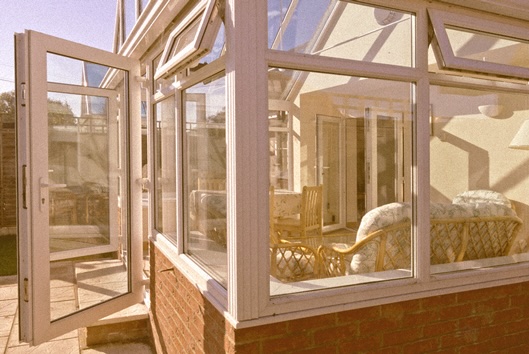
Conservatory glazing seals face the same extremes of sun and rain as a boat's coachroof, making them prone to cracking and water ingress over time.
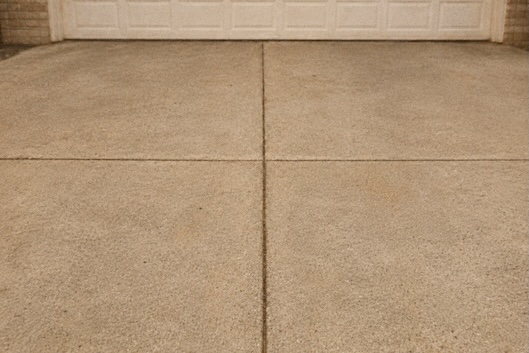
Concrete patios, driveways, and slabs develop fine cracks over time as the ground shifts and the surface weathers, letting water in and allowing the damage to spread.

We use cookies to improve your experience on our site. By using our site, you consent to cookies.
Manage your cookie preferences below:
Essential cookies enable basic functions and are necessary for the proper function of the website.
These cookies are needed for adding comments on this website.
Statistics cookies collect information anonymously. This information helps us understand how visitors use our website.
Stores the visitor’s tracking consent preference (opt-in or opt-out) for Mixpanel analytics.
Vimeo is a video hosting platform for high-quality content, ideal for creators and businesses to showcase their work.
Service URL: vimeo.com (opens in a new window)
SourceBuster is used by WooCommerce for order attribution based on user source.
You can find more information in our Cookie Policy and Privacy Policy.
