Stop a hairline crack from spreading through your favourite plate, bowl, or china
“I used the creeping crack cure on a broken ceramic tile, and it did the trick! Thanks a bunch!”
– Jonathan Keeley, Judge.me review
Cracked plates, bowls, and treasured china can be repaired before the crack spreads further with every wash and use.
Captain Tolley’s Creeping Crack Cure uses capillary action to seep into these cracks and seal them from the inside, and on pieces that have broken into separate fragments, it can also bond them back together with a watertight seam.
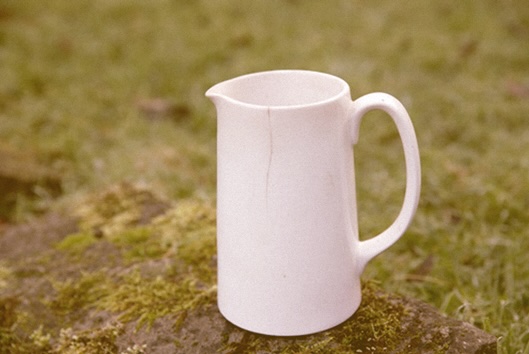
“I was recommended this product by my cousin who swears by it. She has repaired her favourite mug several times. And she’s right – it does repair crockery. I’m just wondering now where else I can apply it!”
– David Allen, Judge.me review
One customer’s 100+ year old Czech china, part of a special-occasion service, had developed a hairline crack – several applications later, it no longer felt like it was falling apart.
– Rob McMillin, verified Amazon customer
Another had a bowl broken into several pieces that would have been impossible to glue conventionally – taping the pieces in place, then applying the sealant along the seams and wiping off the excess, gave a fully mended bowl.
– Mr. J. Barker, verified Amazon customer
For a hairline crack (the piece is still whole):
For a piece broken into fragments:
*For best results, apply in dry conditions above 10°C / 50°F and keep the area dry while it cures. Cold or damp weather slows curing, and moisture can dilute the sealant before it sets, so allow extra time if conditions aren’t ideal.
Both – customers have used it successfully on everyday plates and bowls as well as antique and decorative china, and once cured it holds up to normal washing and handling.
Yes – apply it along the seams from the outside first, then the inside, once the pieces are taped firmly together. It takes a bit more patience than a simple hairline crack, but the results can be genuinely watertight.
Creeping Crack Cure is designed for sealing hairline cracks and isn’t sold as a food-contact product. A fine crack only takes a few drops, and it works best on decorative and display pieces, or on areas that don’t touch food or your mouth, such as the outside of a mug away from the rim.
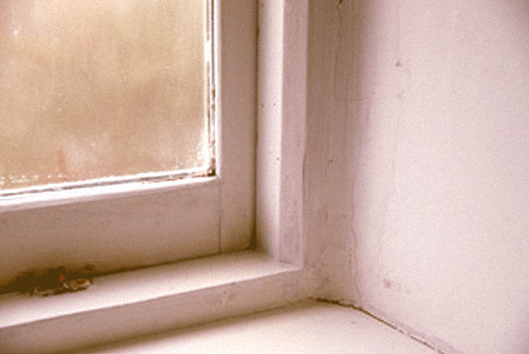
Hairline cracks in window frames and glazing let moisture in, especially where the seal around the glass has shrunk or perished with age.
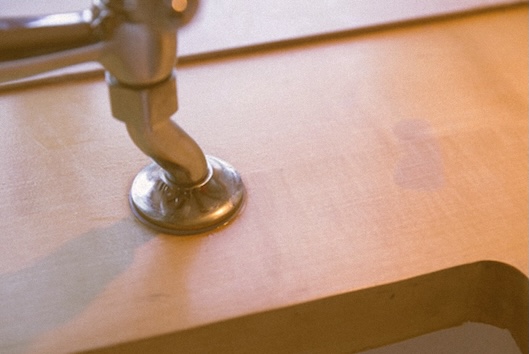
Joints between sinks, worktops, and units are prone to fine cracks that let water seep through and damage the cabinetry underneath.
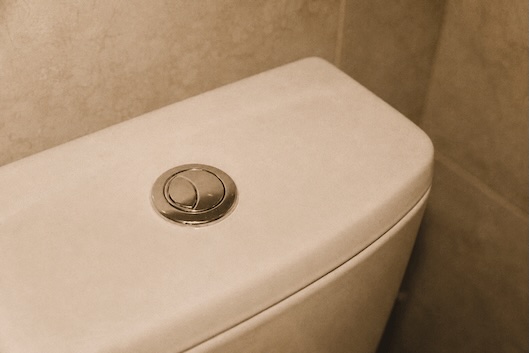
Toilet cisterns and pans often develop hairline cracks in the porcelain that cause slow, easily-missed leaks long before the damage is visible.

Constant exposure to water and weight makes shower trays and door seals especially prone to hairline cracks that lead to leaks in the floor below.

We use cookies to improve your experience on our site. By using our site, you consent to cookies.
Manage your cookie preferences below:
Essential cookies enable basic functions and are necessary for the proper function of the website.
These cookies are needed for adding comments on this website.
Statistics cookies collect information anonymously. This information helps us understand how visitors use our website.
Stores the visitor’s tracking consent preference (opt-in or opt-out) for Mixpanel analytics.
Vimeo is a video hosting platform for high-quality content, ideal for creators and businesses to showcase their work.
Service URL: vimeo.com (opens in a new window)
SourceBuster is used by WooCommerce for order attribution based on user source.
You can find more information in our Cookie Policy and Privacy Policy.
