Stop water finding its way in through a cracked deck fitting
Deck fittings – including chain plates, stanchion bases, cleats, winches, handrails, deck fill pipes, toe-rails, stove pipe vents, and pulpit or pushpit feet – are under constant stress from rigging tension, footfall, and the general movement of the boat underway.
Over time this loosens the fitting and opens fine cracks around its base, often invisible until water starts appearing below.
Captain Tolley’s Creeping Crack Cure uses capillary action to seep into these hairline cracks and seal them from the inside, without needing to remove or rebed the fitting.
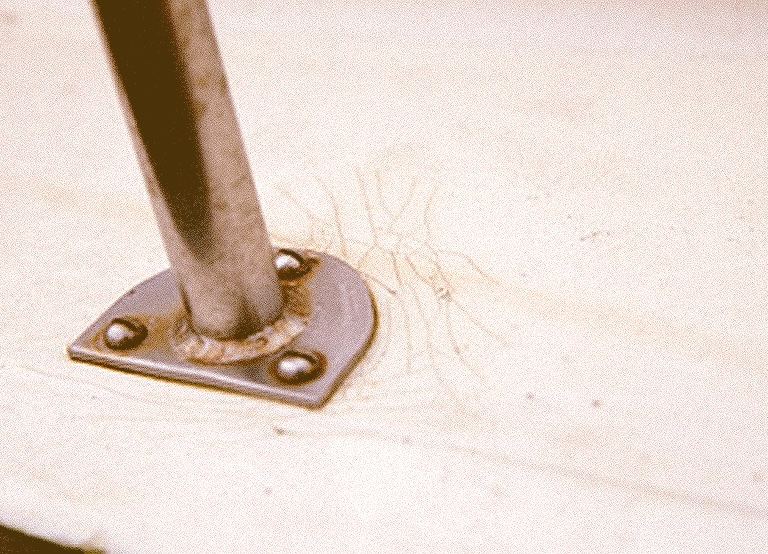
“My elderly boat had water ingress through the stanchion fittings. I treated the area between the base plate & the fibreglass with Captain Tolley’s twice (took about 5 mins each time) & next day gave the decks a good washing – no leaks! A good product at a very reasonable price.”
– Ian Dickens, Judge.me review
“Brilliant stuff to use round my boat windows and filling small cracks in my teak toe rail. If there’s a small gap, I fill it.”
– Phillip Charman, Judge.me review
*For best results, apply in dry conditions above 10°C / 50°F and keep the area dry while it cures. Cold or damp weather slows curing, and moisture can dilute the sealant before it sets, so allow extra time if conditions aren’t ideal.
Yes – that’s the main advantage. It’s designed to be applied directly over the existing crack while the fitting stays in place.
It can significantly reduce seepage, but chain plates carry heavy structural load and the gap where water enters is sometimes wider than a capillary sealant can fully close. Treat it as a strong first attempt before committing to a full rebed.
Deck fittings are bolted straight through into the deck structure, so a crack around one often runs deeper than it looks – tracking along the bolt hole or into the core beneath the surface rather than staying on top. That makes it harder for a single application to reach the whole path the water is taking. If it doesn’t seal the first time, that’s usually why – simply reapply, and most fittings are fully sealed within several applications.
Let it cure fully before exposing it to water – applying it just before rain or in damp conditions can wash it out before it sets.
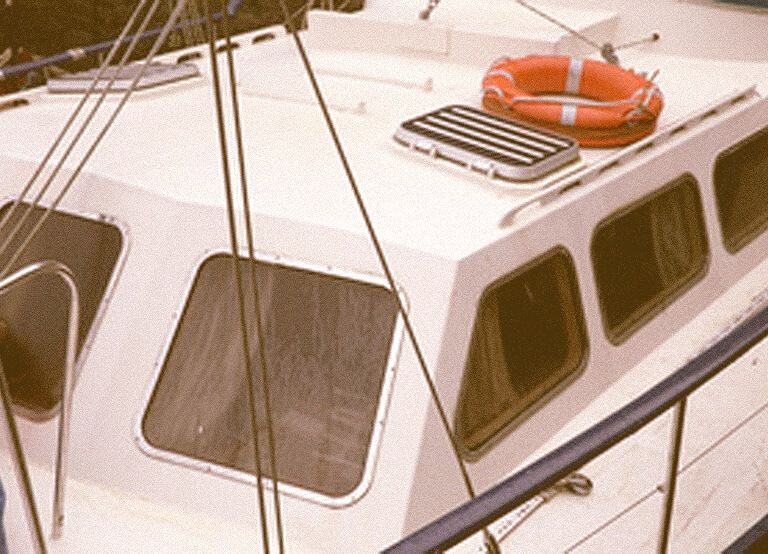
Coachroofs combine fibreglass, wood, and metal fittings that all expand and contract at different rates, opening hairline gaps along the joints and seams where water can track in.
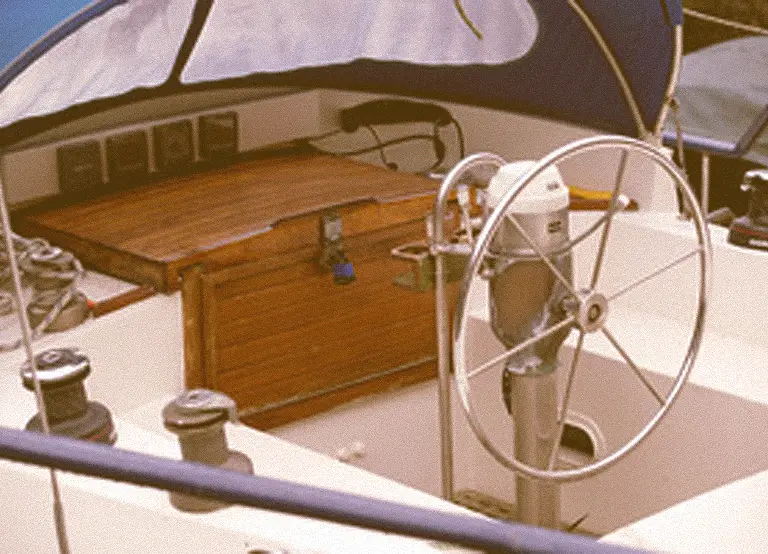
In bad weather the cockpit can suffer leaks caused by fine cracks, particularly around the entrance to the cabin.
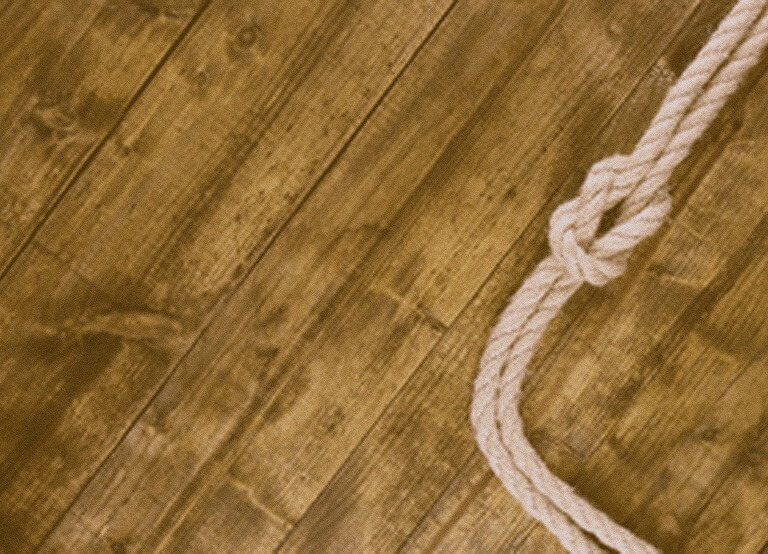
Wooden decks, teak trim, and the joints between planks suffer the extremes of sun and rain, which opens hairline cracks along seams, caulking lines, and where the wood meets fibreglass or fittings.
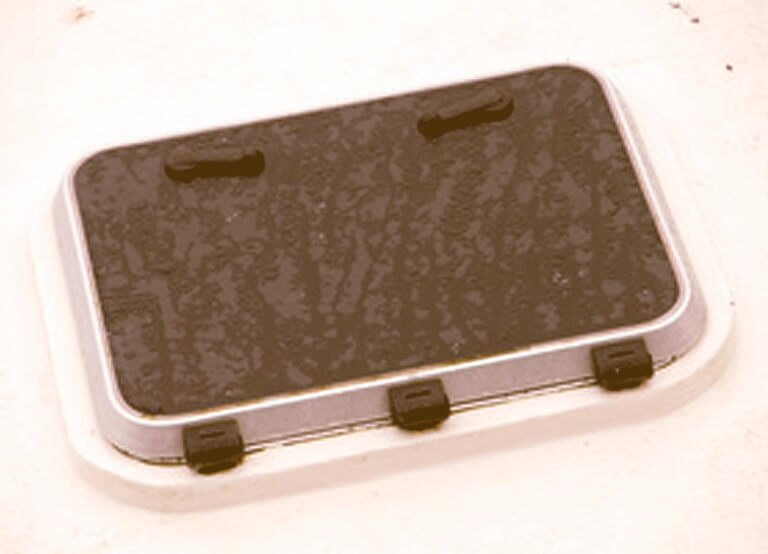
Deterioration of the seal between the frame and boat structure is a very common cause of leaks from hairline cracks in boats.

We use cookies to improve your experience on our site. By using our site, you consent to cookies.
Manage your cookie preferences below:
Essential cookies enable basic functions and are necessary for the proper function of the website.
These cookies are needed for adding comments on this website.
Statistics cookies collect information anonymously. This information helps us understand how visitors use our website.
Stores the visitor’s tracking consent preference (opt-in or opt-out) for Mixpanel analytics.
Vimeo is a video hosting platform for high-quality content, ideal for creators and businesses to showcase their work.
Service URL: vimeo.com (opens in a new window)
SourceBuster is used by WooCommerce for order attribution based on user source.
You can find more information in our Cookie Policy and Privacy Policy.
